Saturday, June 27, 2009

2009 Chesley Award Finalist!

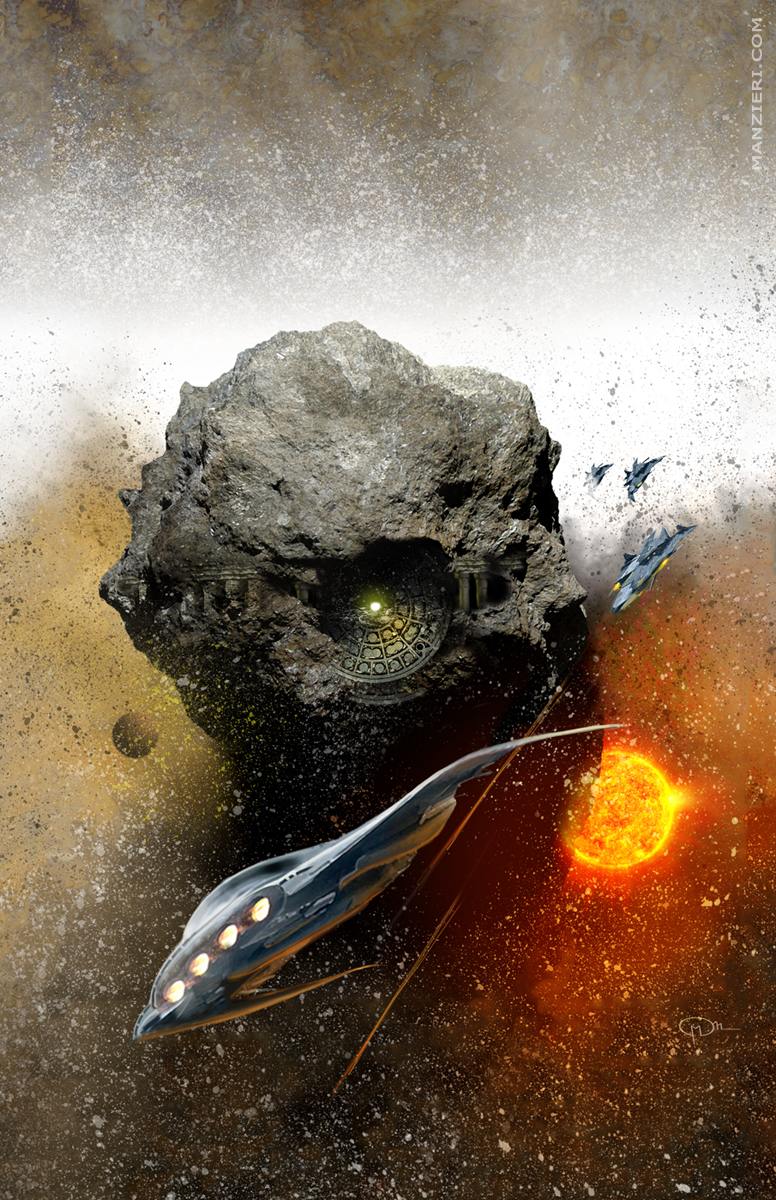
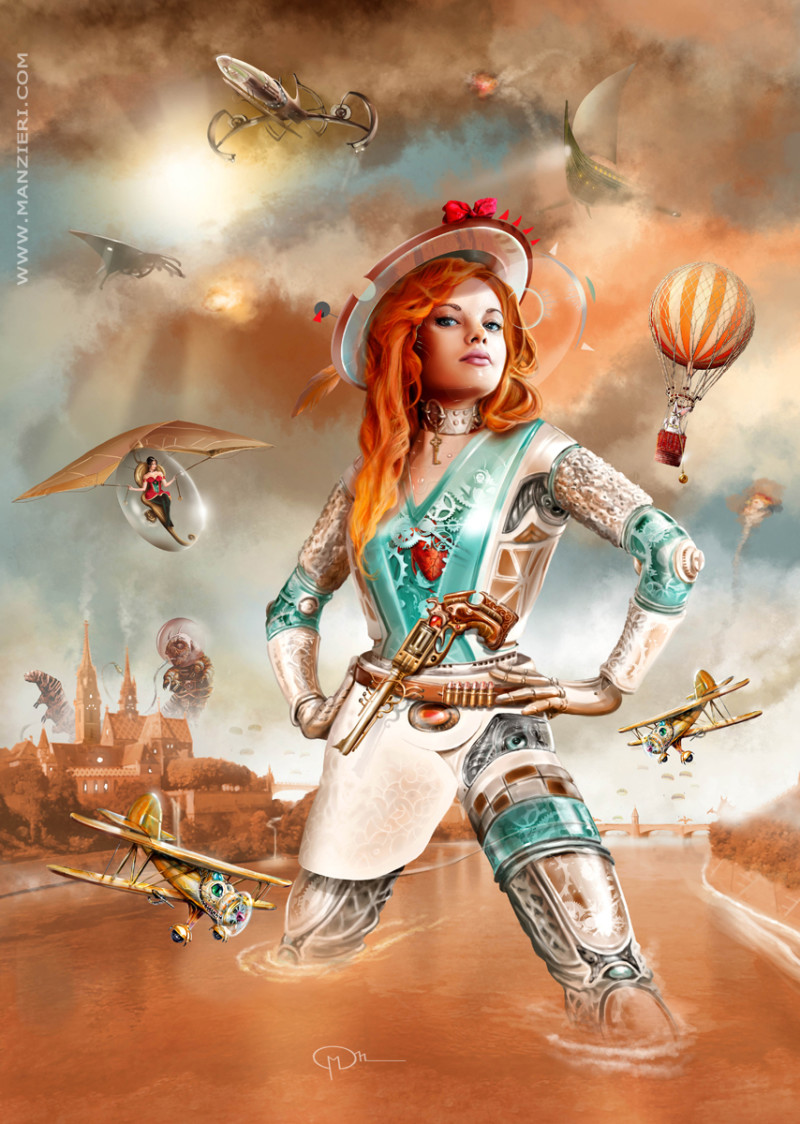
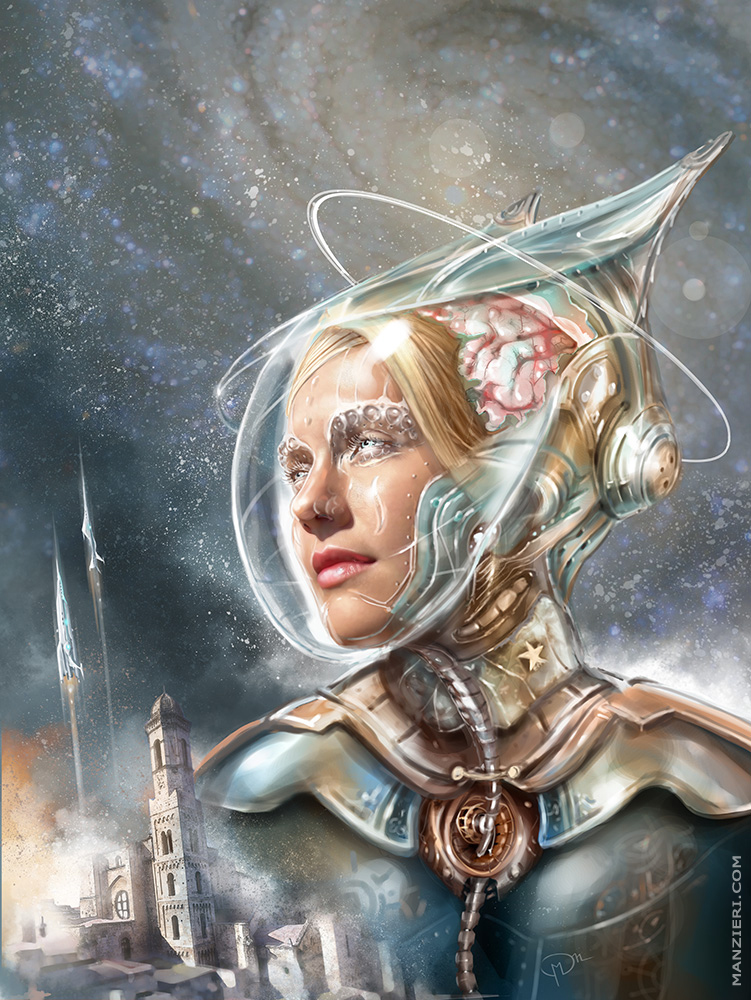
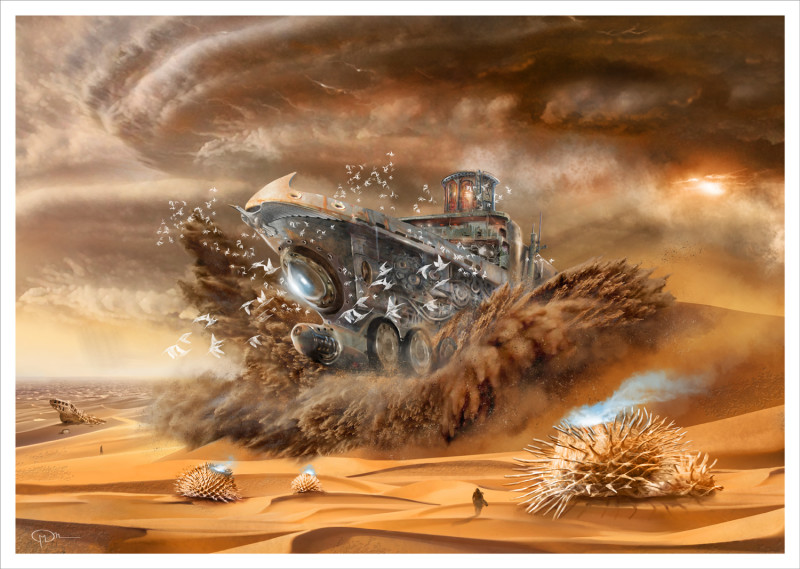
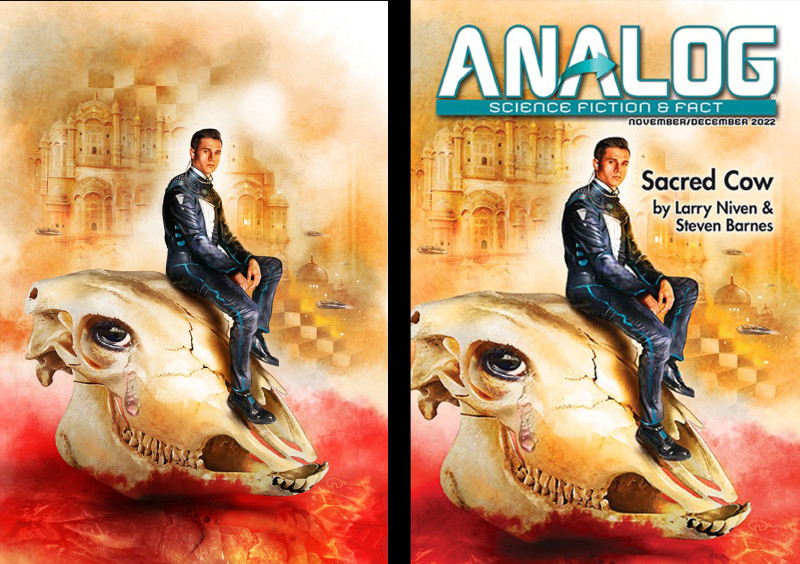
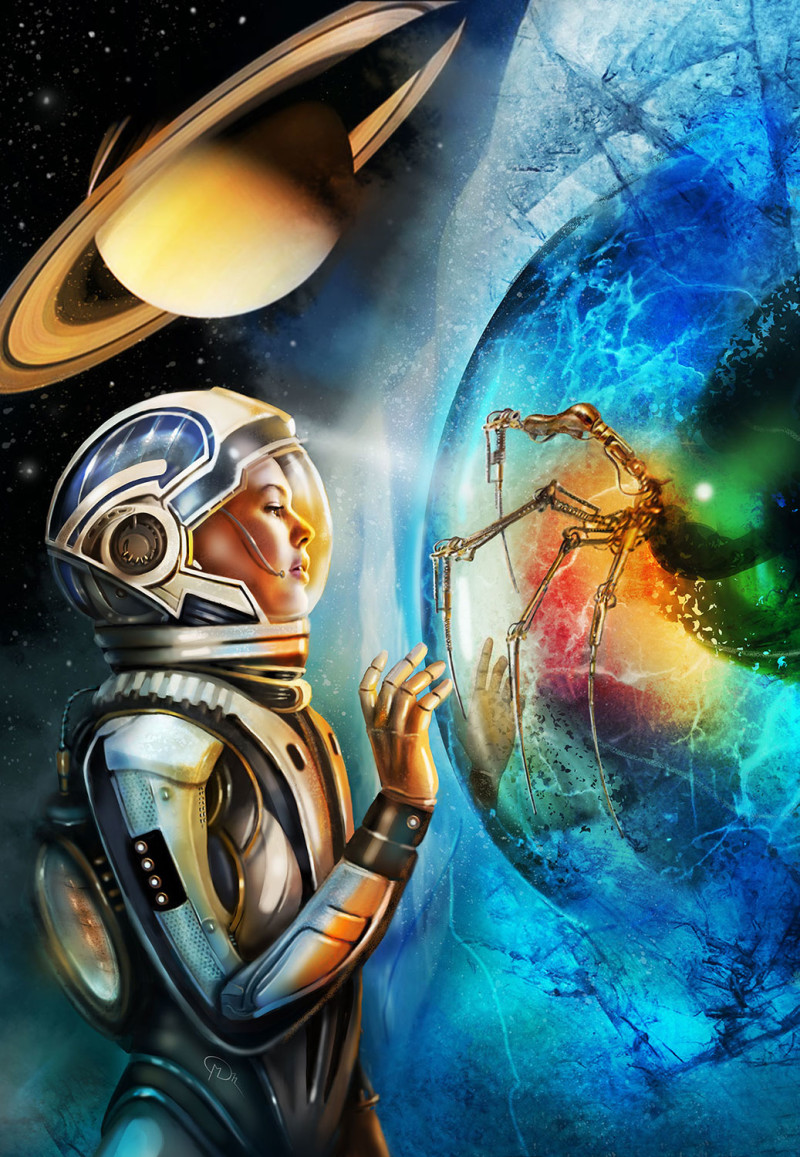
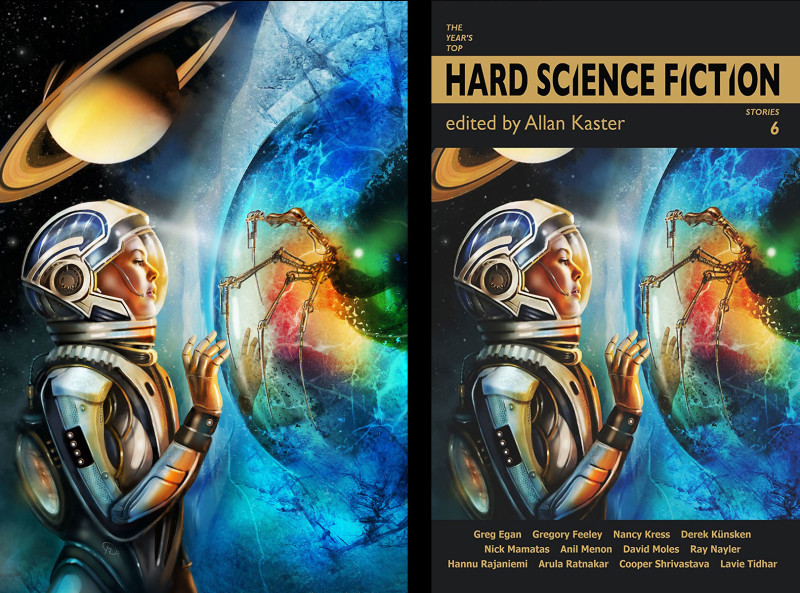
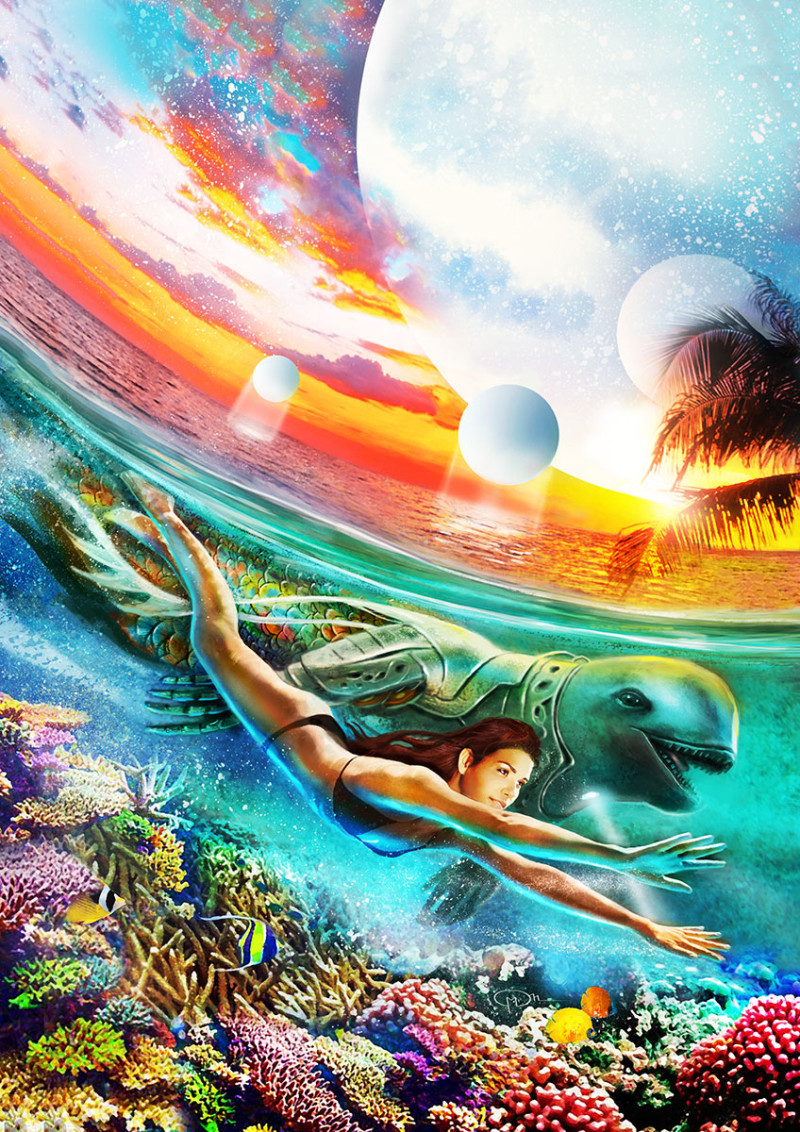
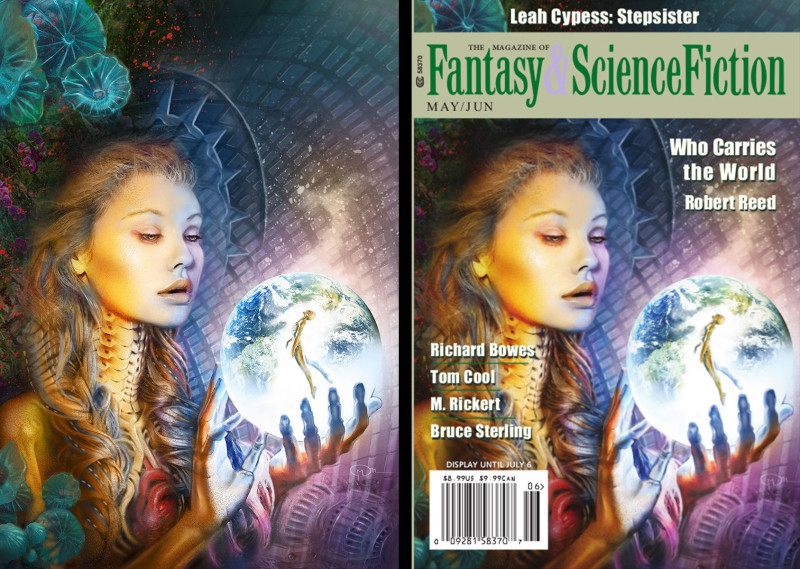
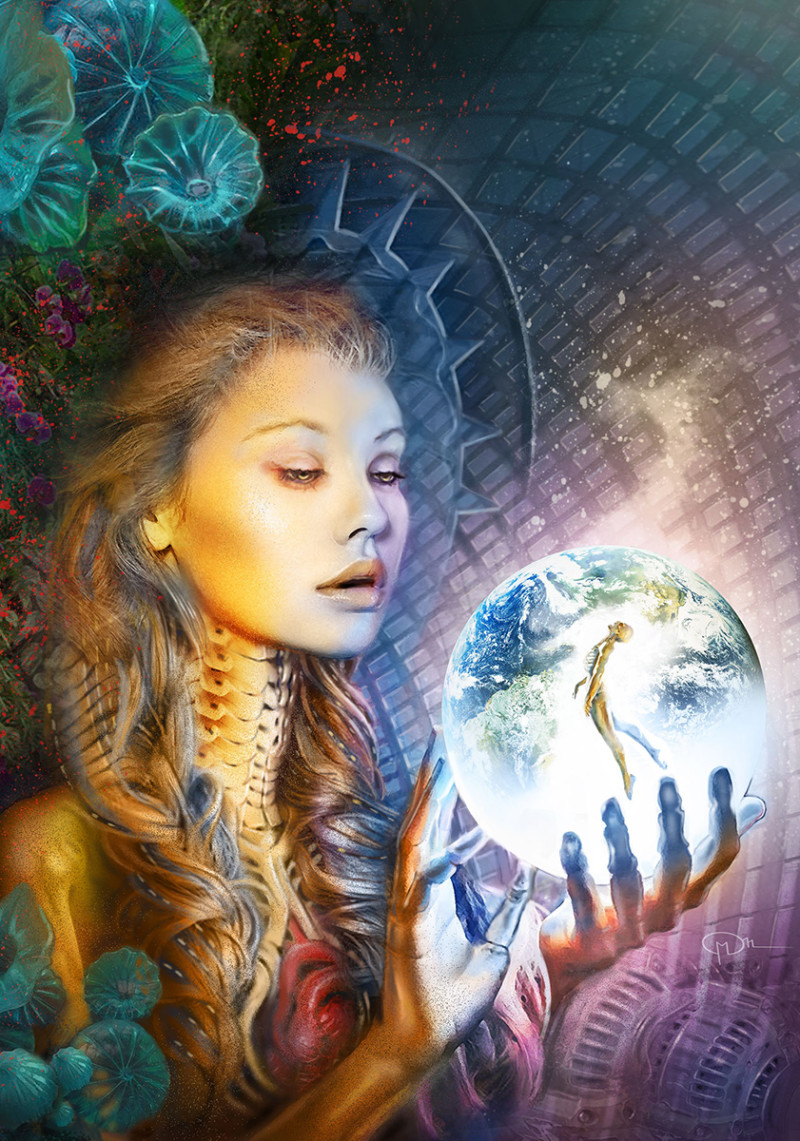
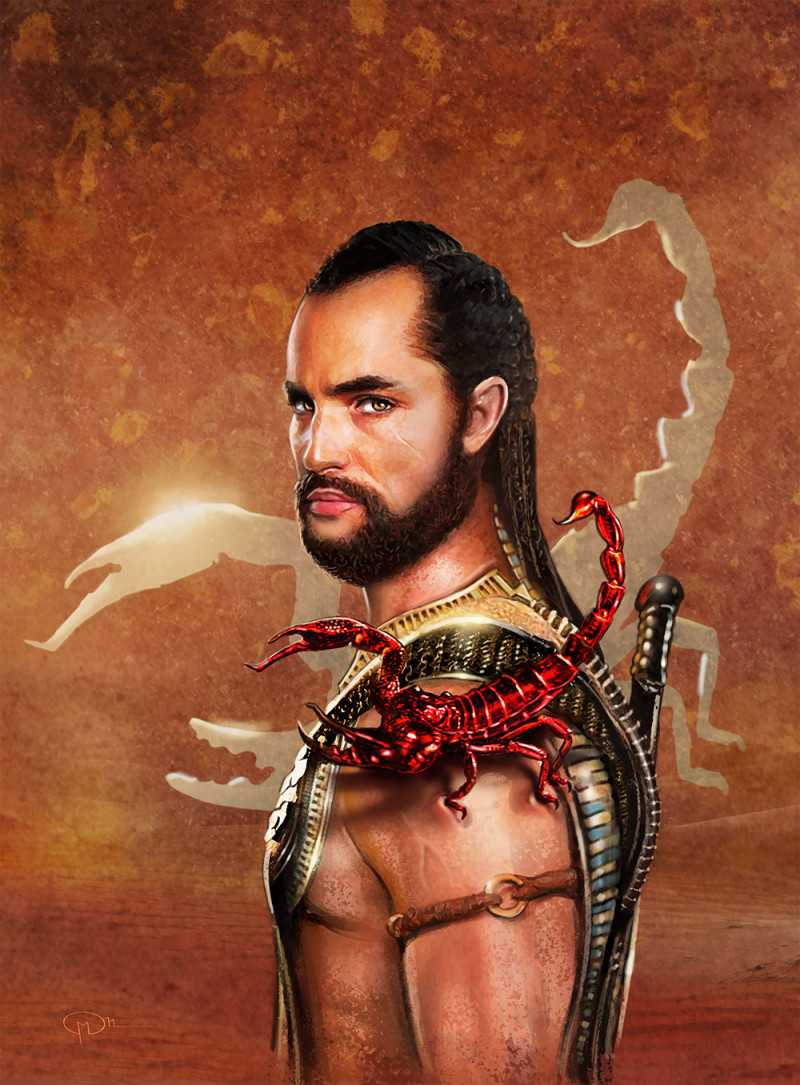
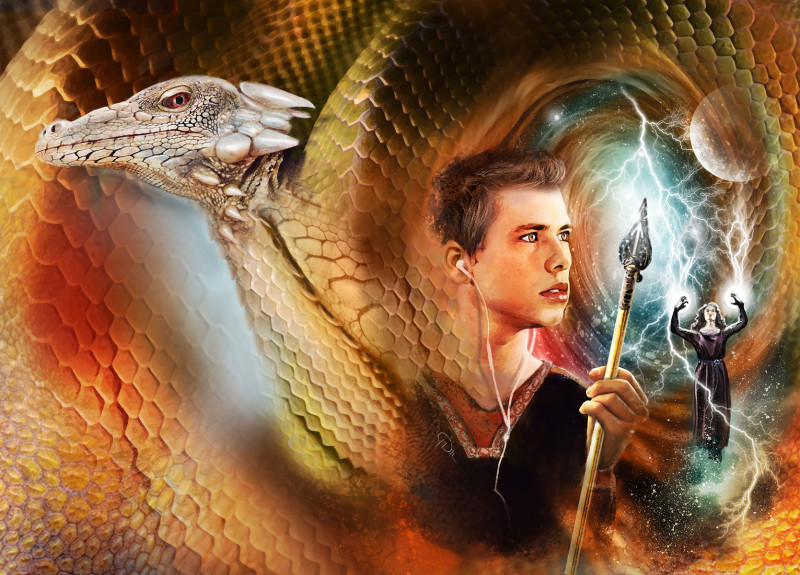
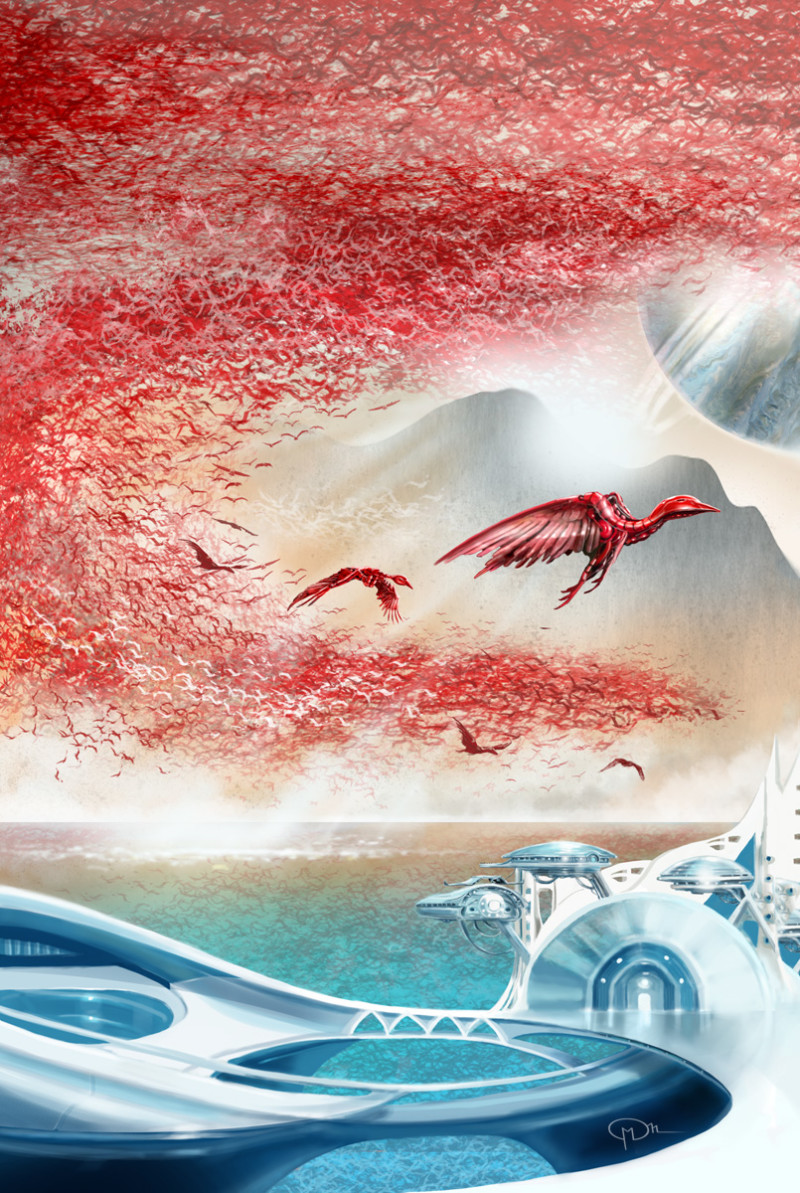
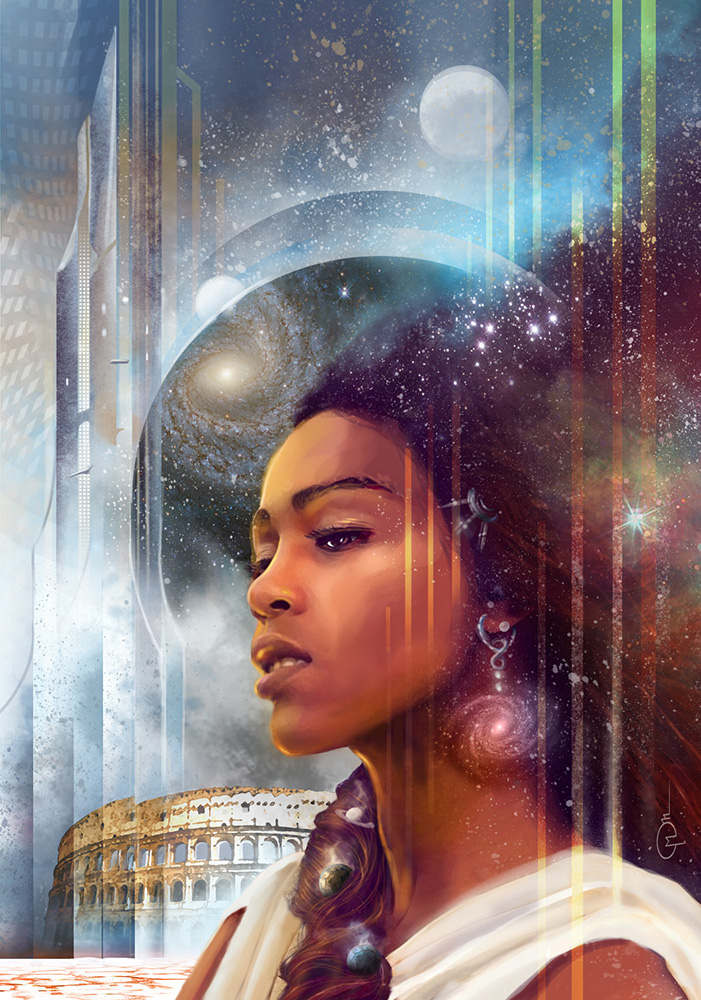
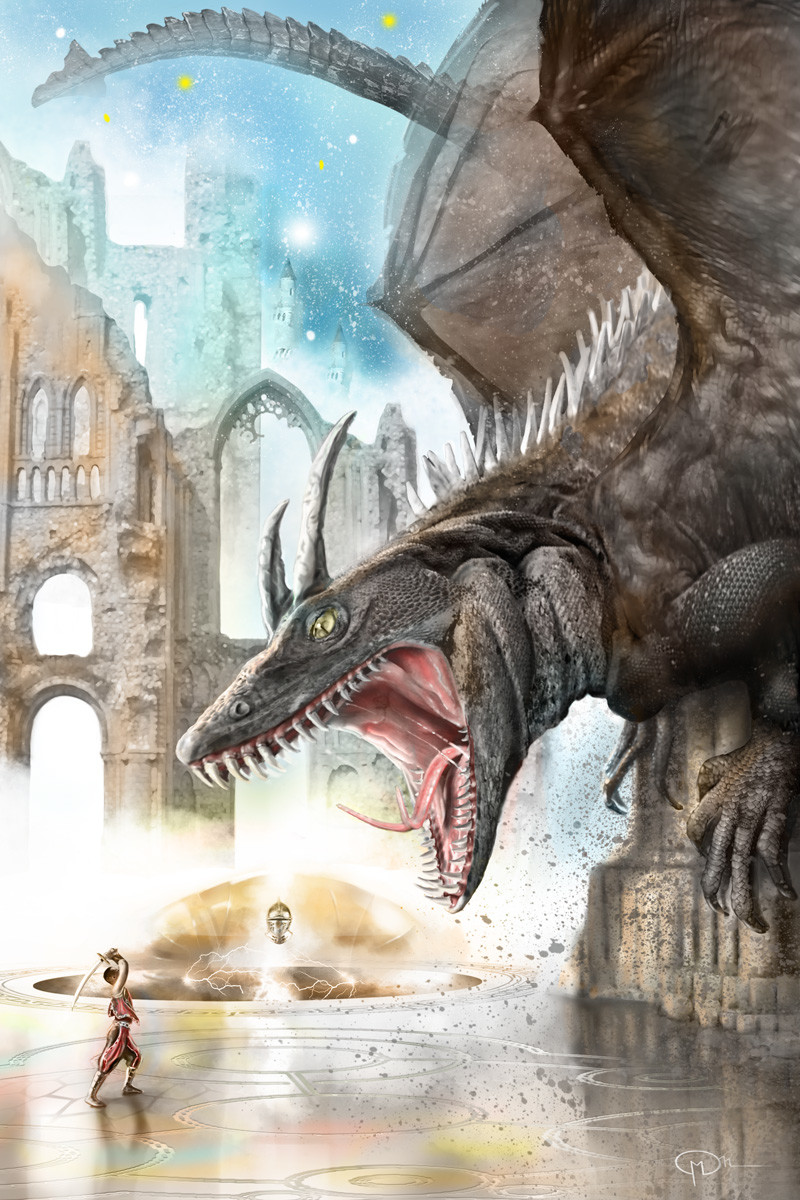
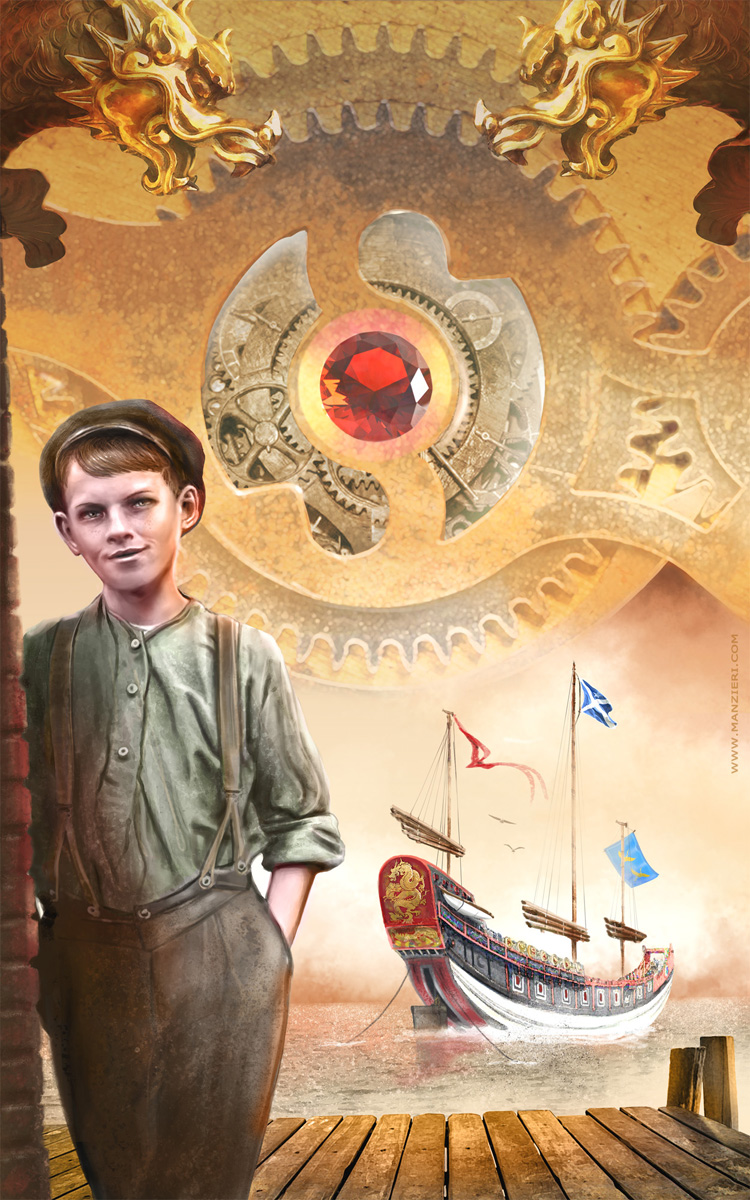
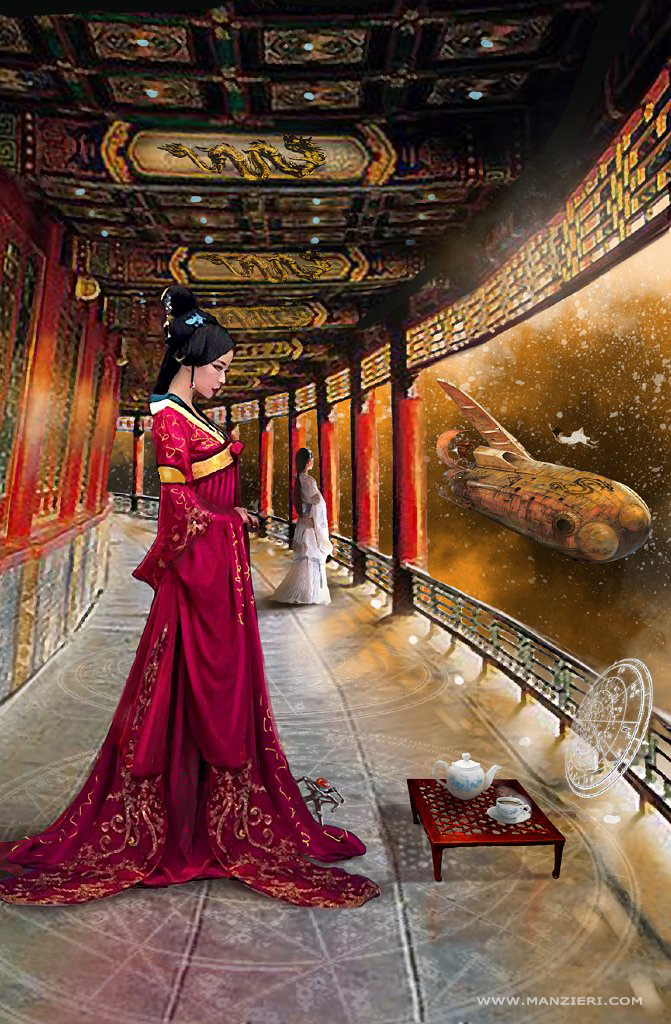
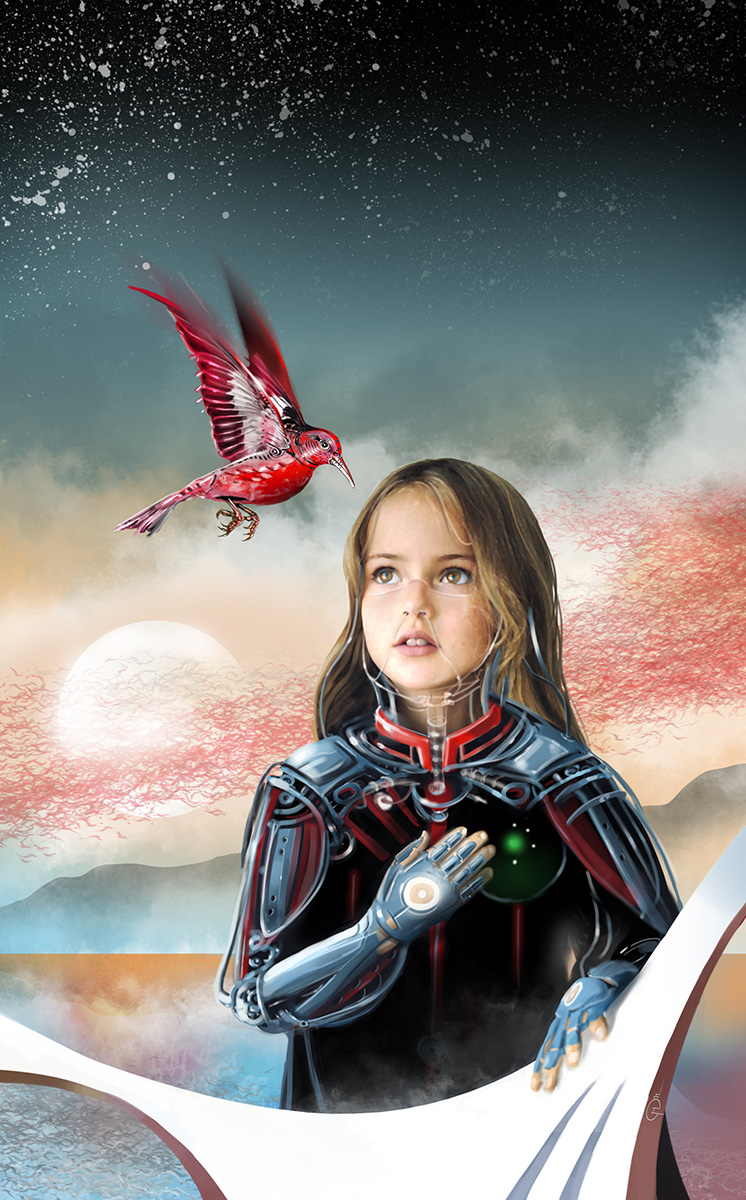
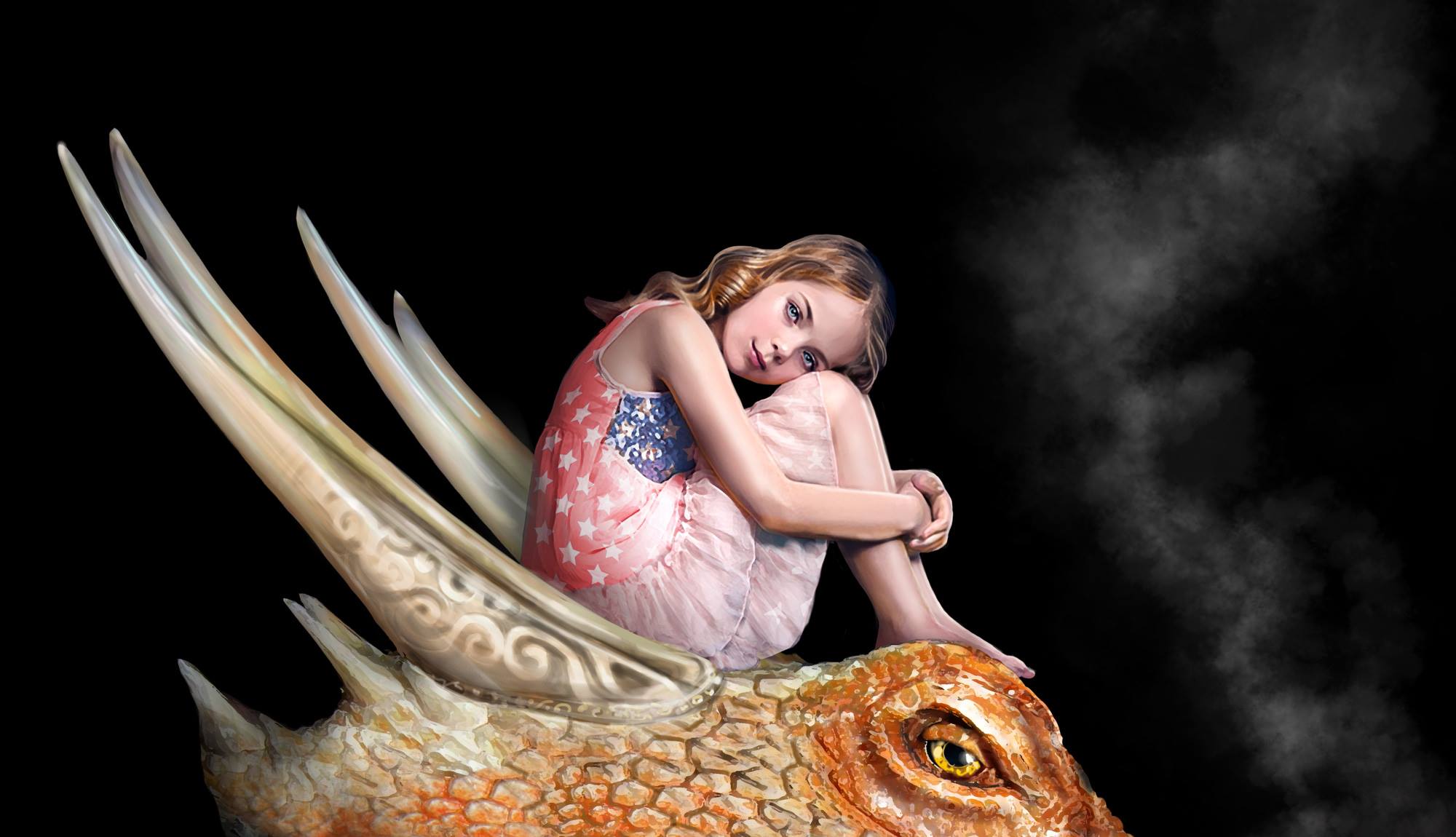
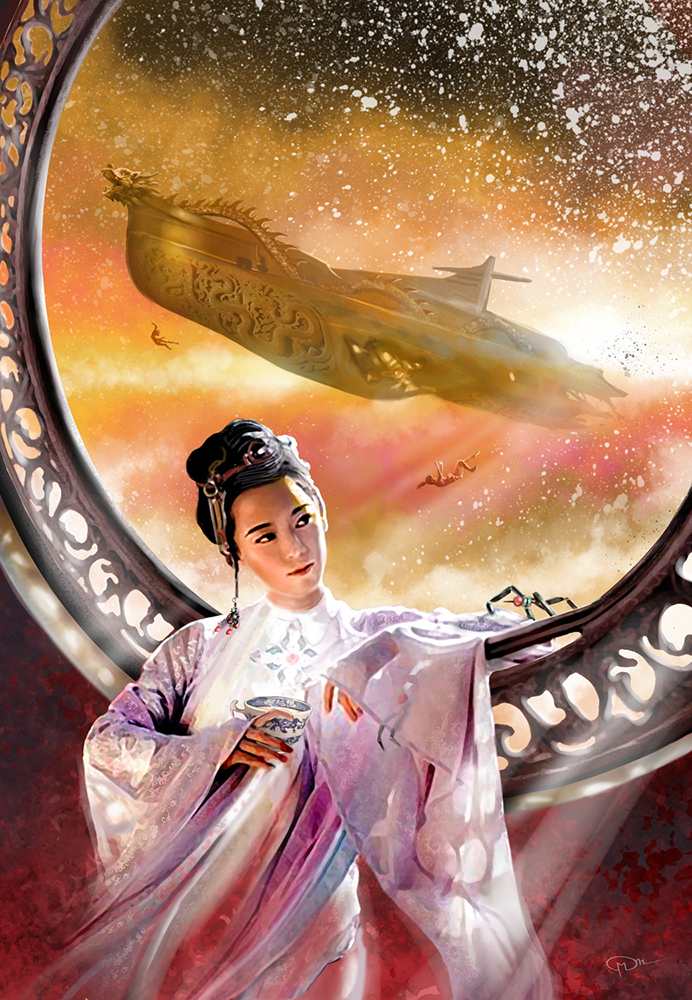
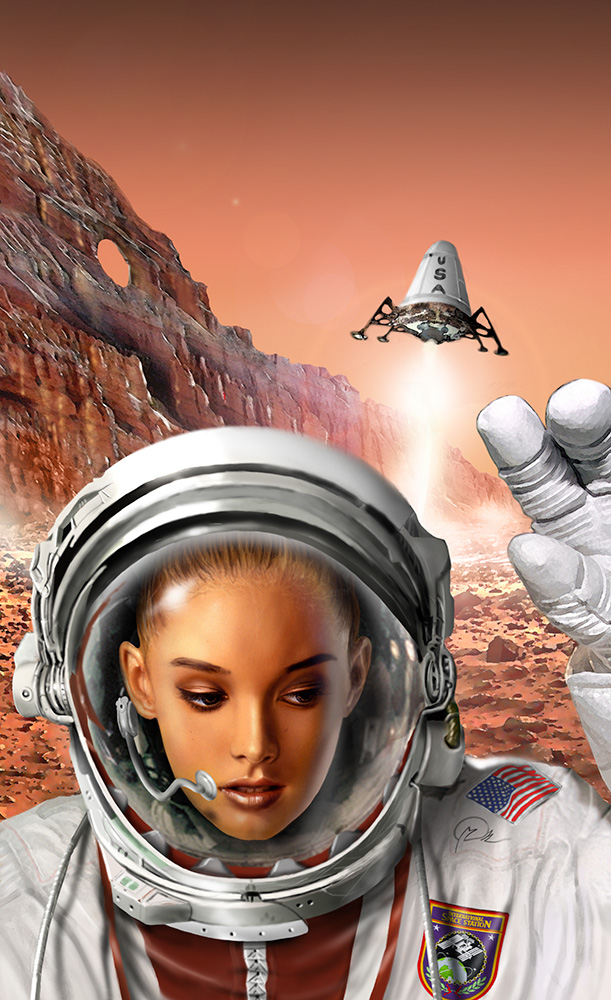
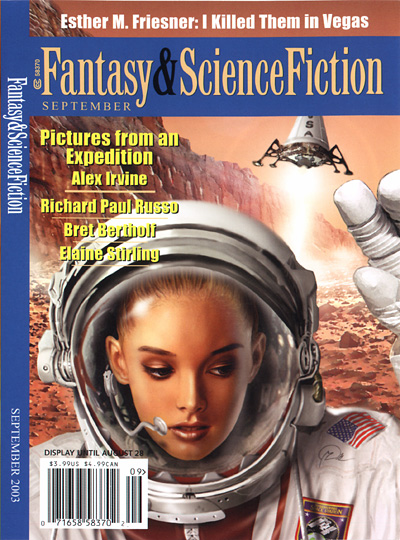
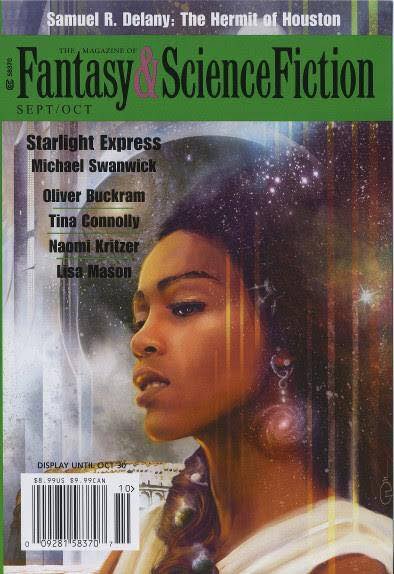
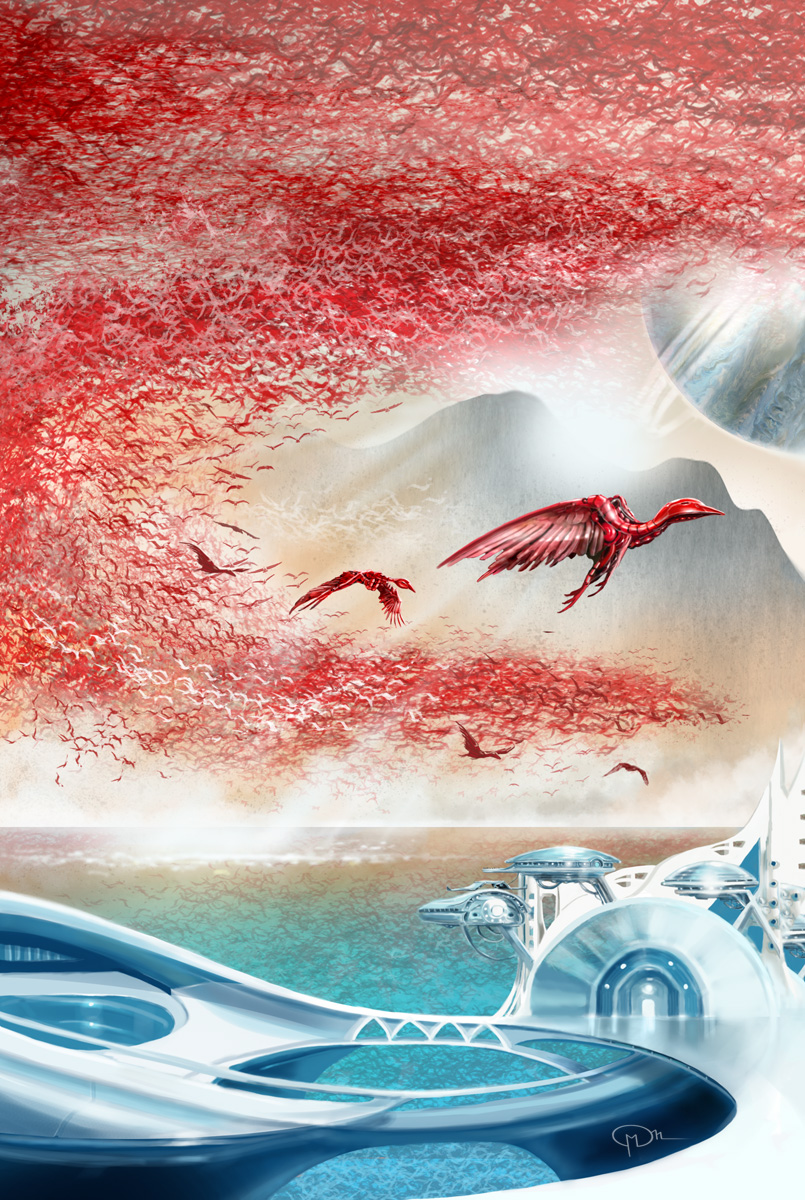
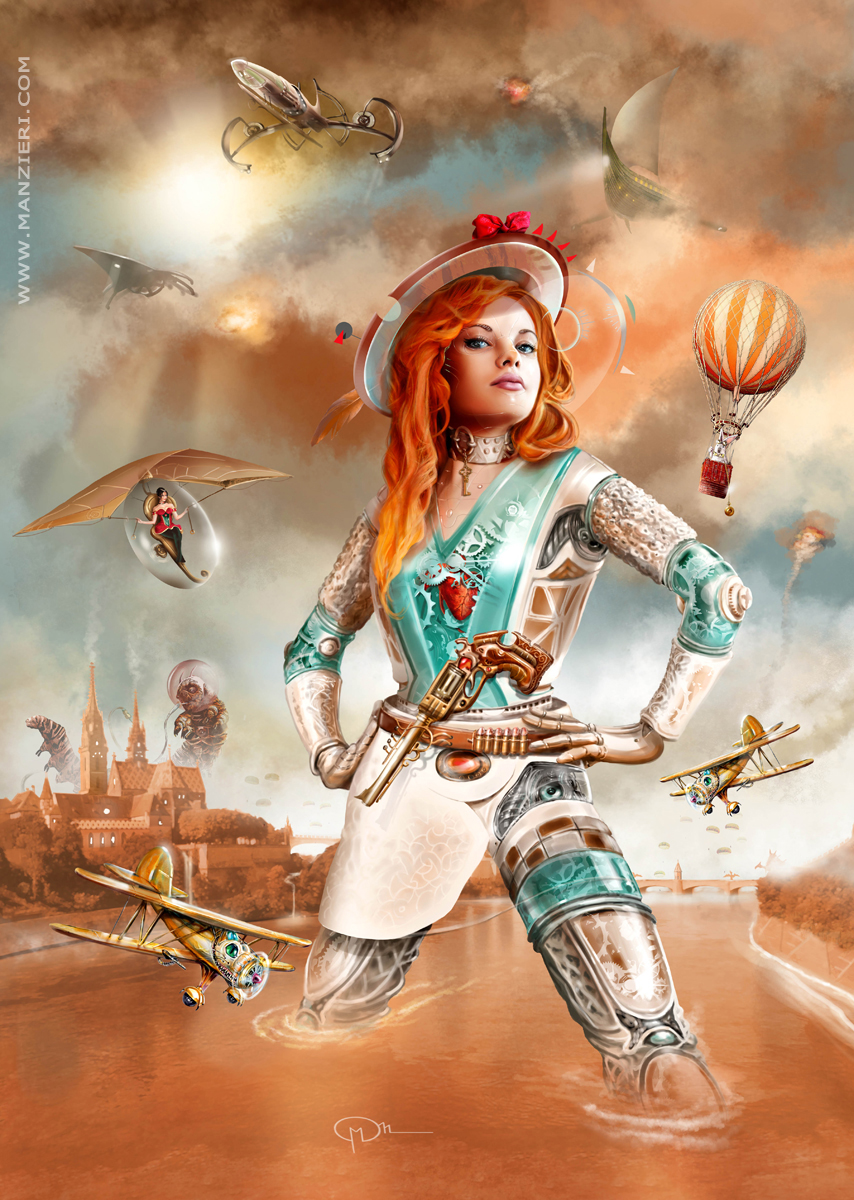
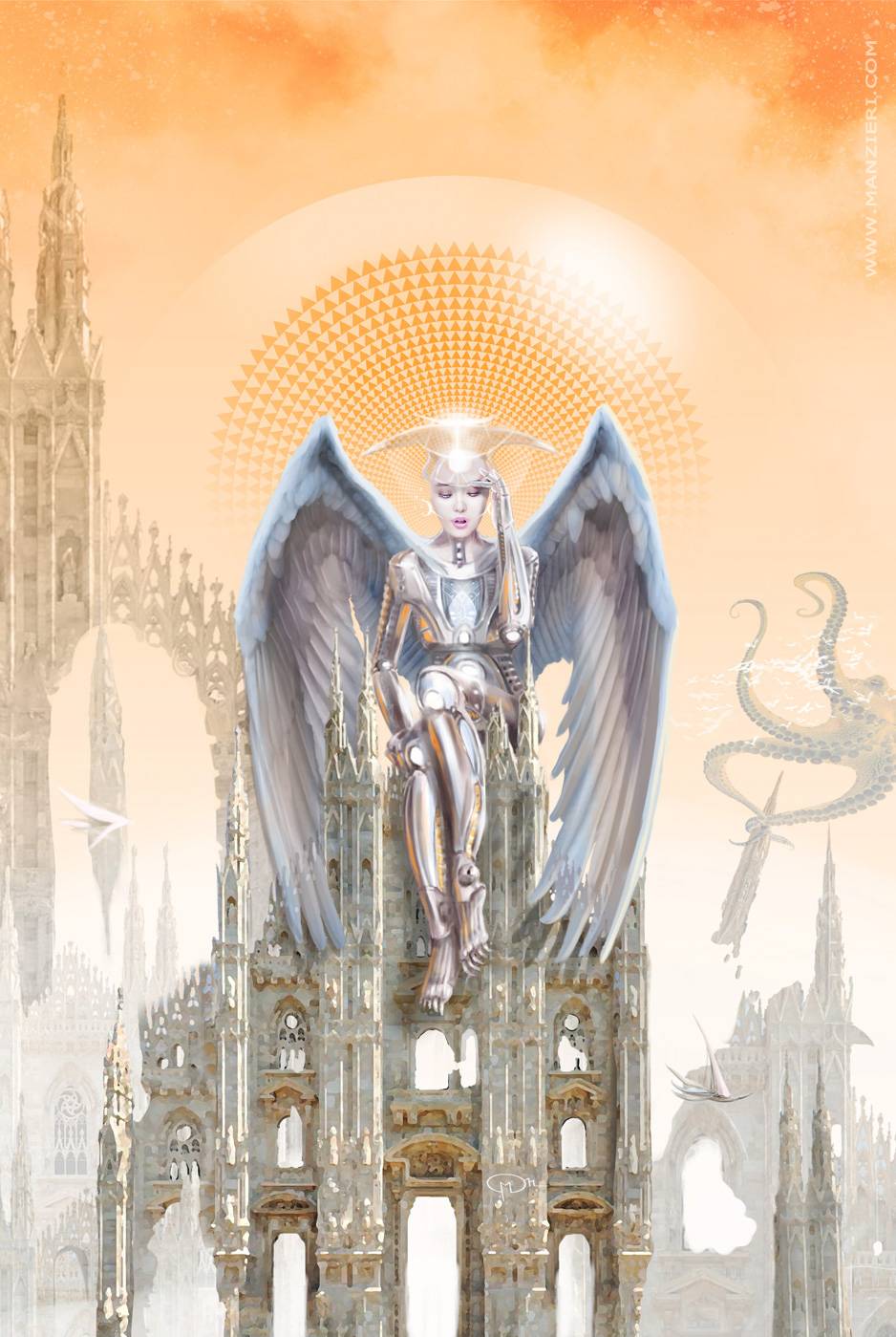
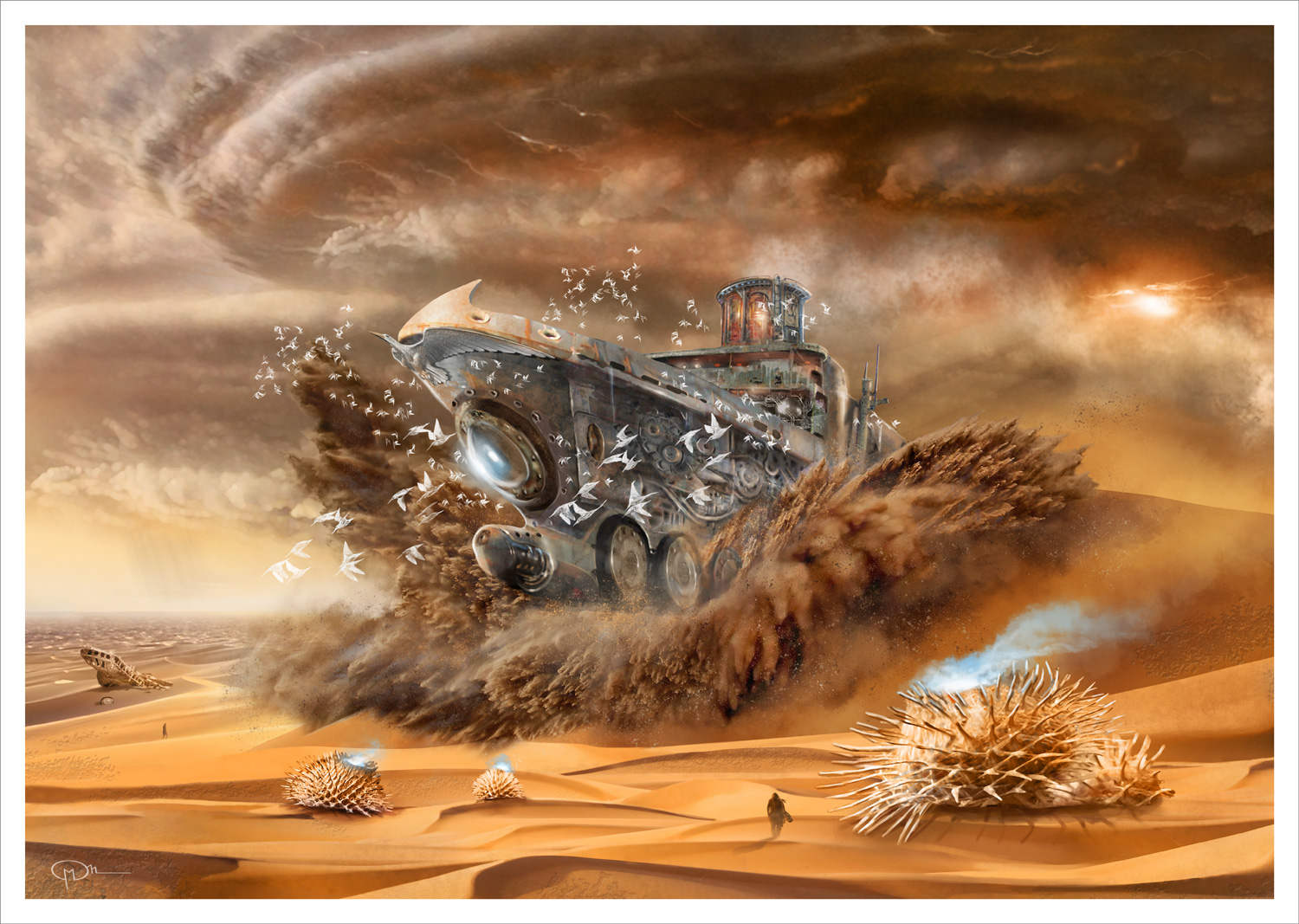
Maurizio is again a Nominee in the Best Magazine Cover Category, together with John Picacio, Bob Eggleton, David A. Hardy and Matts Minnhagen!

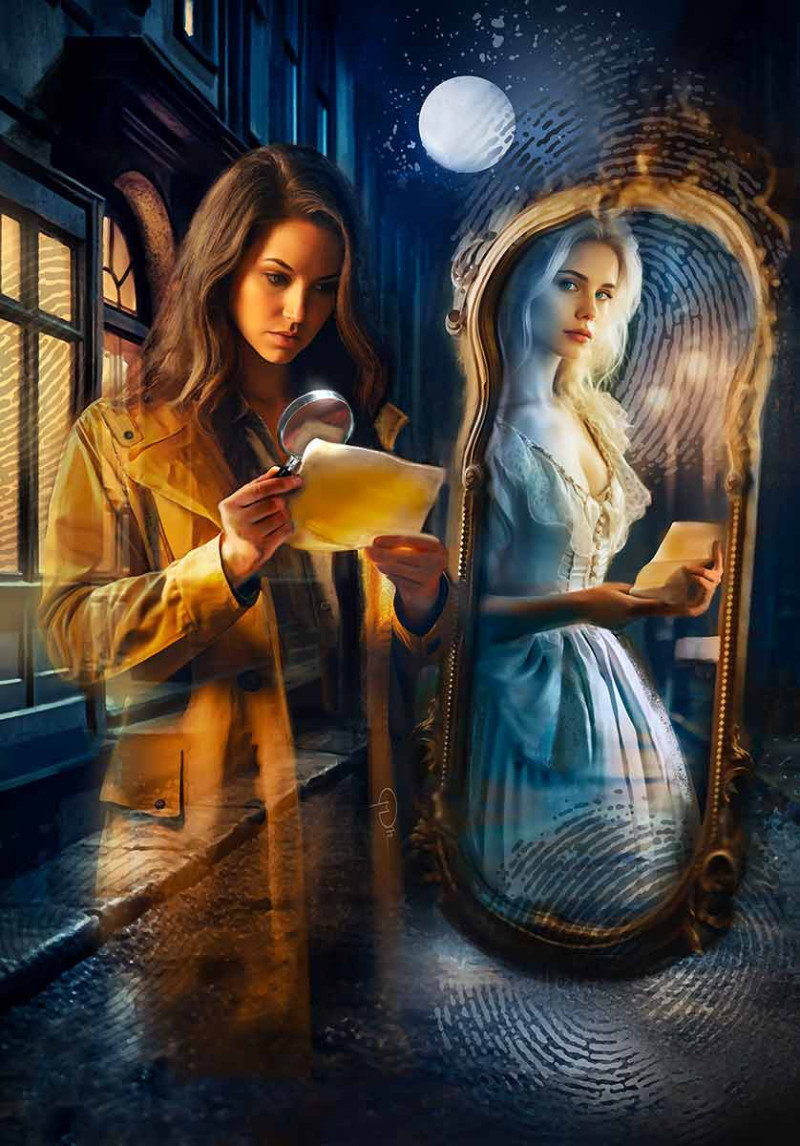
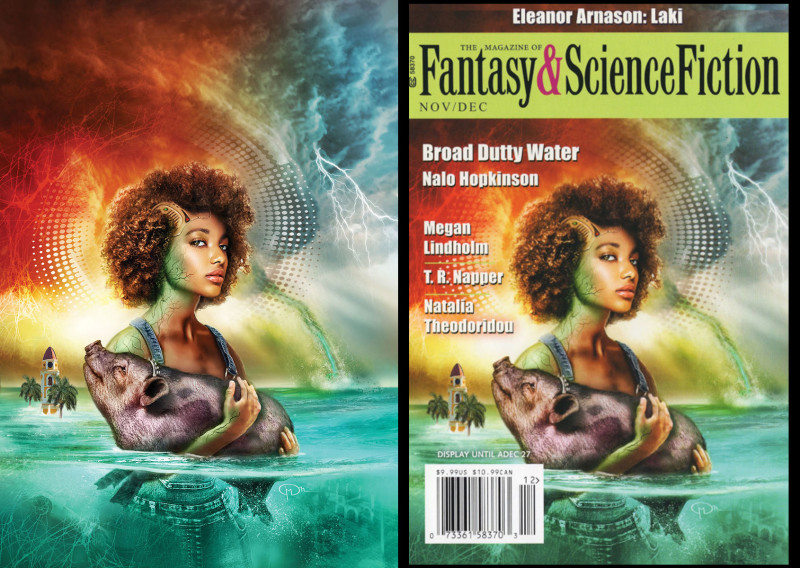
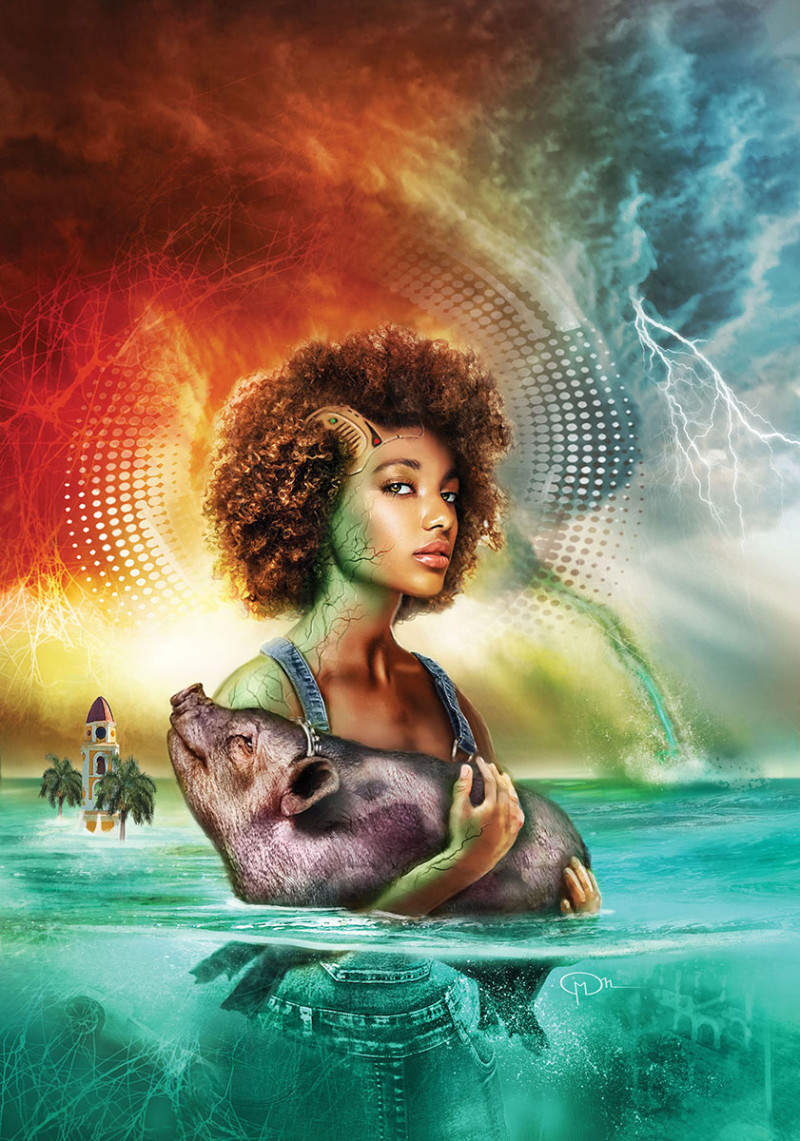
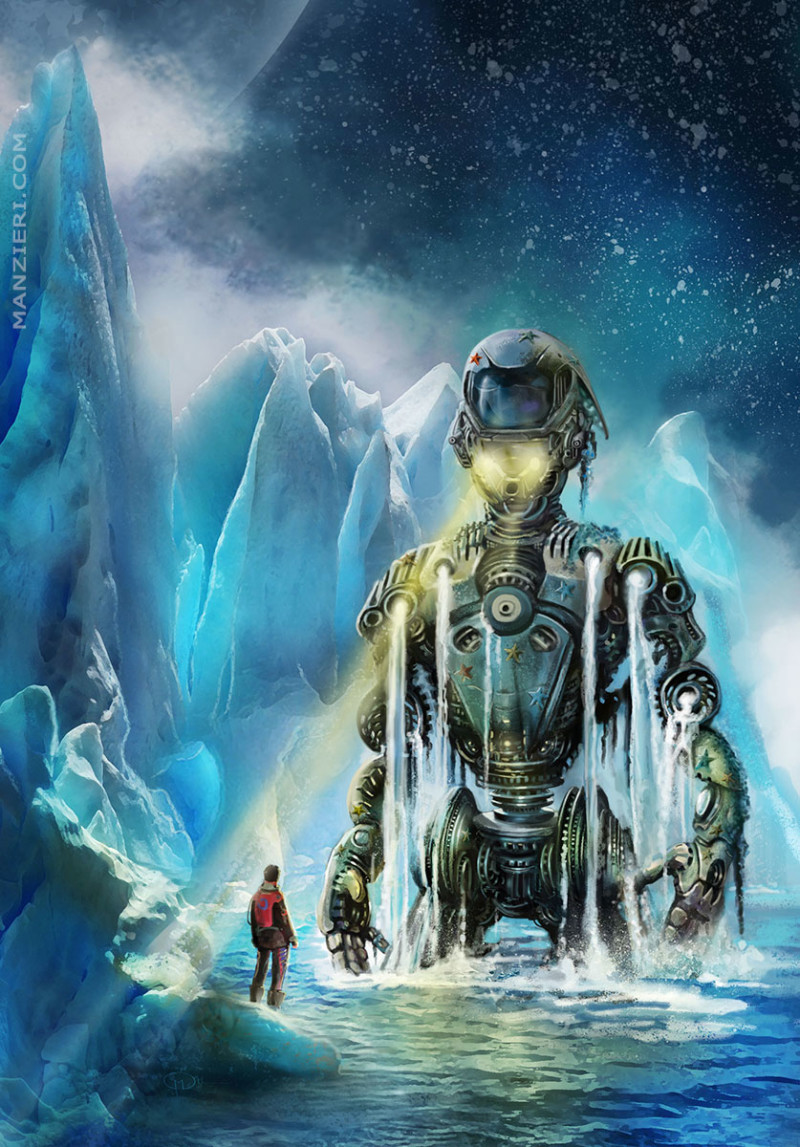
Hosted by imgur.comIt was pure pleasure to discover that my last cover realized for the F&SF magazine changed its status from suggestion to Nominee in the 2009 Chesley Awards, scheduled to be announced during the next WorldCon in Montreal.

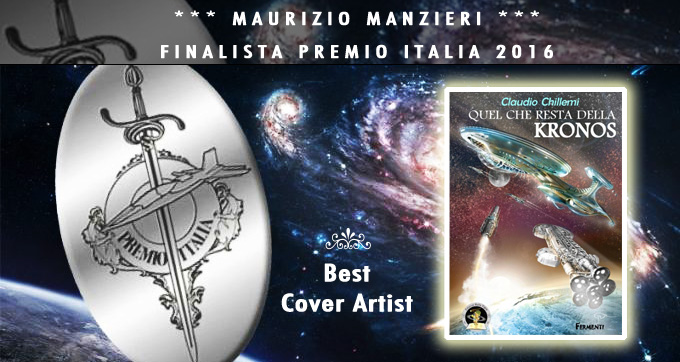
It's the fourth time I jump on the podium and I see the world from the clouds. In 2003 I won in the Best Unpublished Illustration Category, in 2008 and today I've been nominated in the Best Magazine Cover Category and in 2004 I earned a nomination for my contribution at ASFA, the Association of Fantasy and Science Fiction Artists alas the same Association sponsoring the Award..

Check the full list of Nominees here (what a team!) and cross the fingers with me. Well, as my friend Cheryl Morgan keeps saying in her Blog: "Go Italy!" :-)

Labels:

Saturday, May 02, 2009

Maurizio meets Stephan Martiniere- Part 2 of 2

We continue the journey in the life of Stephan Martiniere, winner of the 2008 Hugo Award as Best Artist in the fantastic field. The article was translated and included in the Issue #56 of the Italian magazine Robot. Enjoy the interview and don't forget to check the first part here:

MM: Your name is so strictly intertwined with magical environments and universes renowned all over the world. Tell us for an example about your collaboration to the Myst saga and its influence in your production…

Hosted by imgur.com

SM: Working for Myst was a perfect match. Cyan was one of a very few company I was interested in working with at the time. The timing was perfect. I was already a big fan of the Myst universe. Me and Rand Miller, the creator, connected very quickly, I am always drawn to visually expansive and complex universes with rich and dramatic stories, I found myself not only doing concepts and art direction but also participating in the narrative and bringing more mystery to the whole universe.

MM: How is the typical job day of Stephan Martiniere? How do you organize your workday? Are you able to stop and enjoy your pauses, or you are a workaholic?

SM: It took me several years but I am now able to have a good and healthy balance between my work and my private life, I still work a lot but never to a point where it becomes stressful. It was not always the case but I am in a good place now where I can choose the project I want to be involved in.

MM: Last year you won the Hugo Award for the category of Professional Artist. What does this achievement mean to you?

Hosted by imgur.com

SM: To be honest for many years the Hugo in the Professional Artist category didn’t mean much to me. There were a lot of issues for a long time with the World Science Fiction Society structure. As much as I respect and like some of the
past winners I found it disturbing and upsetting when the same artists kept winning years after years while a great number of other talented artists were overlooked. I was nominated several times in the past and I was willing to decline the award unless the WSFC revised its structure and recognize the works of the broader range of artists. Over the last several years things have started to change. There is now a better process and a
lot of new and talented artists are getting more visibility. In such a
context I was willing to accept the award, and I am glad I won this year... I also believe the process can get even better and to continue to improve it and allow even more visibility for new artists I stepped aside bowing out this year nomination. When all artists can be considered the Hugo will become relevant and even more prestigious.

MM: Irene Gallo, the Art Director for TOR, quotes you often in her Art Department Blog. Are you in touch with colleagues in the everyday life?

SM: Irene Gallo and I are part of a small group of friends and artists. We regularly share our work and offer each other advice and critics. It’s very rewarding and keeps us on our toes. I also keep in touch as much as I can with other colleagues

MM: You are indeed becoming a great source of inspiration to a generation of fans and artists in the fantastic field. Could you list us a few names able to inspire today Stephan Martiniere, and why?

Hosted by imgur.com

SM: There are so many artists past and present that inspire me it is difficult to pick a few. Walt Disney, Moebius, Franklin, Hergé, Hugo Pratt, Chris Foss, Sead Mead, Bernie Wrightson, John Buscema have been very influencial during my teenage years, later on I would say John Berkey, Leyendecker, Dean Cornwell and so much more. Whether it was their skills, styles, mastery of color or composition sense of storytelling they all brought something to my artistic and personal growth. Then there are architects and visionaries such as Hugh Ferris, Lebbeus Woods, Otto Wagner, Calatrava, Zaha Hadid and film directors including Orson Welles, Kubrick, Ridley Scott, Walt Disney, Tim Burton, James Cameron, Coppola, Fellini, Terry Gilliam, Lucas, Spielberg and then production designers and writers and designers etc, as you can see the list can go on…

MM: We'd like to know your opinion about the health of fantastic illustration in the commercial market. Do you think the international economic crisis is putting in danger the future of artists in the editorial sector?

SM: As I am writing this Random House, Simon and Schuster and Houghton Mifflin/ Harcourt are having some serious problems. Obiously the economic crisis is affecting everyone; a good friend of mine called it the publishocalypse, but I also heard that the SF and fantasy genre is doing well despite the crisis.

See related articles here:

Simon and Schuster

Random House

Houghton Mifflin Harcourt

MM: Which is your advice to a young artist? Have you ever met a natural talent? Should an artist follow his heart or should he apply hard on courses and studies?
Hosted by imgur.com

SM: I would say never give up your dream, keep drawing, painting etc… and keep working hard at it. Through classes, school or whatever allows you to learn more. There is a vast amount of information and resources available today; I wish these resources were available when I was in school. One of the most important advice I would give would be ” know your industry” by that I mean know who you would like to work for and tailor your portfolio accordingly. Show your strength not your weaknesses. It is always better to be good at one thing than try to do too many and be average in all.

Yes, I have met a few natural talents although interestingly they are not the one who survived, I have seen more decent artists that became great from perseverance.

MM: Will the new assignment at ID Software keep you too busy for making new digital painting for personal or editorial purpose?

SM: I still find the time to Hosted by imgur.comwork on other projects, films or book covers. I always make sure that the schedule are comfortable and I don’t have to deliver yesterday, no rush always means better quality of work and allows me to explore more.

MM: Are you working on new illustrations right now?

SM:
Yes, I'm starting a new cover for Tor and doing some concept on a really cool SF movie. I can’t say much but it's epic.

(Dallas, 12/12/2008)

Labels:

Tuesday, April 14, 2009

"Angelic" by Kelley Armstrong - Final Cover

Angelic by Kelley Armstrong
(Subterranean Press, December 2009)Hosted by imgur.com

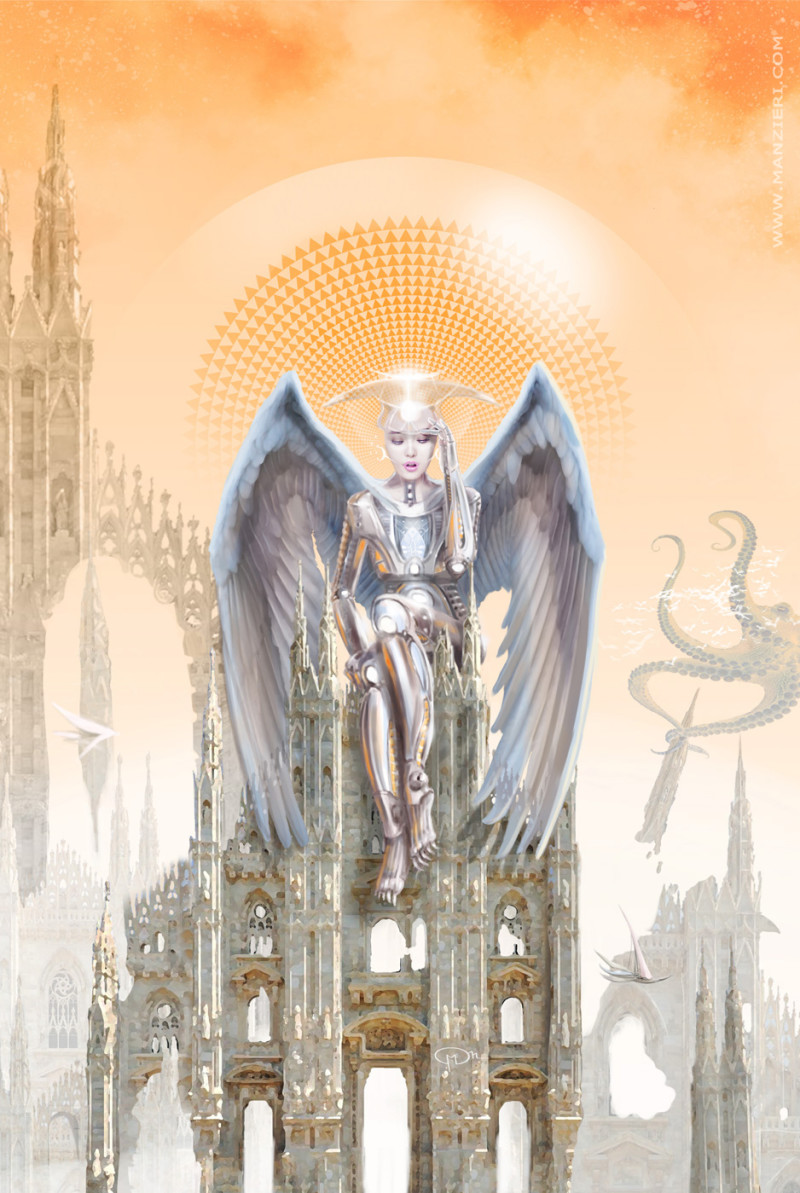
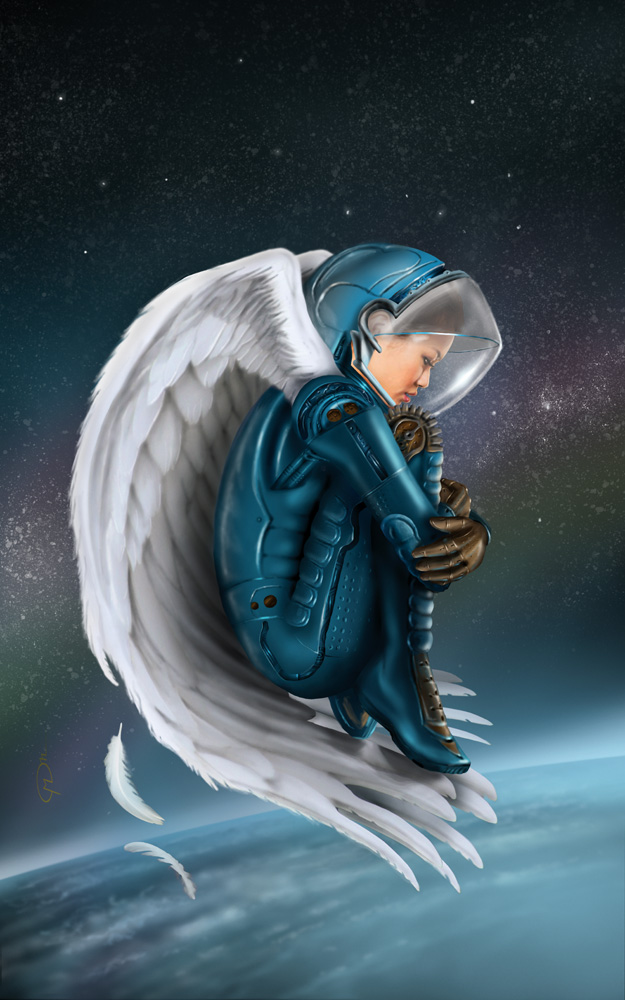
This is my final cover for Angelic, a wonderful novelette by the bestselling-New York Times writer Kelley Armstrong, going to be published on December by Subterranean Press (USA) . The story follows an afterlife mission of the warrior-angel Eve Levine and it's just a facet of the extraordinary and complex Universe developed with the Otherworld series. Hosted by imgur.comPainting Eve was really fascinating and it's not a secret that at the moment I'm at work on four B&W interior illustrations (!) going to be evenly spaced through the book. Hard, hard work ahead for your Jedi artist! More previews and updates to follow along the year... enjoy now an exclusive preview of the original illustration (click to enlarge) Usually the editions by Subterranean are gorgeous - especially the limited ones - and they sell out well before hitting the market. If you wish to preorder a copy of the volume, check the dedicated page here.

Here is the Angelic synopsis from the publisher's website:

"As a half-demon master of the dark arts, Eve Levine isn’t what anyone would call angelic. That’s exactly why the Fates chose her for the job. She’s their secret weapon against the forces of evil. However after five years, Eve is tired of being the designated rebel of the angel corps, expected to break the rules, then penalized for it. When the leaderless djinn stage an uprising, Eve sees the perfect chance to get herself fired. As she plunges deeper into the demon world, though, she realizes she’s in danger of losing a lot more than her job."

Labels: ,

Monday, April 06, 2009

Maurizio meets Stephan Martiniere - Part 1 of 2

After John Picacio (2007) and Yours Truly (2008), the Italian Robot magazine appointed Stephan Martiniere as the official cover artist for the year 2009. After the summer the publisher Silvio Sosio asked me to deliver materially the scepter and we caught the opportunity to interview him for Italy. Here is the cleared, integer and extended text of our close encounter, that I'm pleased to share with my Readers. Enjoy the latest interview from this talented voice, recent winner of the 2008 Hugo Award in the Best Artist category!

Hosted by imgur.com

MM: Stephan, a new chapter in your life has just begun. You have just relocated from Chicago to Dallas taking on the position of Art Director for Rage at ID Software. What about your new job? Are you already focused on new challenges?

SM: A new job always brings new challenges. Rage is a very creative and ambitious project. A lot of the styling and ideas were already established before I jumped on board so one challenge was to catch up and get up to speed with the project. I have a good grasp of the project at this stage and I am very comfortable with my team, the challenge now is to bring my vision into the mix and align my ideas with the initial vision of the game.

MM: What did you left behind?

SM: Some very good friends, a beautiful city, some great hot dogs and all my winter clothes. I don’t mind so much about the clothes, there is something nice about wearing shorts during the winter in Dallas.

MM: Share with us the happiest moments of your career and talk a bit about your background.

Hosted by imgur.com

SM: On an emotional level without a doubt meeting my wife and the birth of my daughter Madelynn. On a professional level without a doubt meeting my wife and the birth of my daughter Madelynn!

As for my background I was born and grew up in France. At the age of 15 I attended an art school for 4 years in Paris, graduated, then went to an animation school for a two-year program. At the end of the first years I landed my first job which took me to Japan to work as an animator and concept artist on Inspector Gadget. I never came back and didn’t finish the school program. For the next 8 years I found myself traveling between Asia and the States, working on animated series such as Heathcliff, Jayce and The Wheel Warriors, Ghostbusters and others. Then I became a director and continued my career directing shows such as Dinosaucers, Dennis the Menace and lastly Madeline, a musical adaptation of the Madeline books by Ludwig Bemelmans which won a handful of awards including the ACT Award, the Parent's Choice Award , the Humanitas Award and got nominated for an Academy Award.

MM: A promising start-up indeed...

Hosted by imgur.com

My career took a drastic turn after that. I felt a need to go back to doing concept design and illustration. I got hired to work for a themed park company and spent 2 very creative years designing
rides for several Japanese parks. During that period I started to establish some freelance contacts in other fields like TV and live action. For a brief period after that I returned to animation to direct 4 more Madeline musical adaptations which turned out to be very enjoyable . I directed some animation shows for different companies for a couple of years until I got involved with the 'Where is Waldo' animated series which took me from art director to director to cartoonist for the syndicated comic strip. It was during these 4 years of doing the strips that I established some very solid free lance contacts.

Hosted by imgur.com

This eventually led me to move out of LA and become a full time freelance artist. One project leading to another, I found myself involved in pretty much every fields in the entertainment industry doing books covers, animations themed parks and working on such films as the Fifth Element, Virus, The Time Machine, I Robot, and the last two Star Wars. I got into the game industry about eight years ago. Starting as a visual design director at Cyan for the game "URU" (Ages Beyond Myst) and Myst 5 then as a visual design director and creative visual director at Midway for Stranglehold, Area51 and several other projects still in development. This led me to my current position as AD at ID.

MM: Was your experience with the movie industry rewarding? How about the interaction of a creative artist inside so terrific projects like I, Robot or Star Wars?

SM: There is always a certain satisfaction to see your work on screen especially when the movie turns out to be good, which is not always the case; there is also a fulfillment when you get to participate in a movie like Star Wars which was so influential in my artist’s life. But in general working for the entertainment industry as an illustrator is not as rewarding as doing book covers in the publishing industry. The main reasons are that in the scale of things, an artist working on a film is but a tiny portion of that film. There is little recognition for the artist and his work. Very often the work is diluted and there is absolutely no control regarding how the work is utilized. Being an illustrator for film or animation is being part of an enormous machine.

Hosted by imgur.com

An artist also does not own his work and therefore has a lot of difficulties exhibiting his art much less exploiting it. The publishing industry especially in book cover is the exact opposite. In terms of the actual work there isn’t much of a difference between doing concept for a movie, an animated film or a game. There are obviously some technical limitations associated with each medium but doing concept is about ideas. Obviously that same idea will follow different path to completion and will be rendered in different ways based on each field. Animation for example will dictate certain simplicity of execution as opposed to a feature film. All in all as an illustrator I like doing book cover best.

MM: Recently SFSignal asked to several artists a question that we would like to propose again to you: How have digital tools affected the way in which you create your artistic pieces?

Hosted by imgur.com

SM: Digital has reshaped my career. For many years as a concept artist in the animation industry I was given the task to come up with ideas mostly in the form of sketches, finished black and white drawings or grey scales rendering but very seldom was I allowed to finish these ideas as painting. The pre-production process at the time was such that the art team was divided between background designer, character designer, prop designer, character colorist and background colorist. During all these year I never had the chance to explore painting even less finding a painting style. I was fortunate enough to be there at the beginning of the digital shift. Since I didn’t have a particular technique or style of my own moving into digital was easy and painless, I became very comfortable with Photoshop fairly quickly. Painting digitally allowed me to explore ideas and techniques I don’t think would have been possible traditionally. Working with layers made the process even more enjoyable, in many ways it made me a faster and more efficient artist.

Note: check here for the same reply by other artists, including mine (Source: Mind Meld Archive, SFSignal)

MM: In your opinion, will a 100% digitally created work of art ever be considered a 'masterpiece', able to take its place alongside the current masterpieces realized with traditional tools?

SM: If you define a masterpiece as an outstanding achievement, then I don’t see why not. To me its about the artist skill and imagination not so much about the tool, transitions are always difficult, acceptance takes time but eventually people will recognize it.

Note: The second and last part of the interview will follow next month. Stay tuned!

Labels:

Sunday, March 29, 2009

Manzieri Blog - Chapter 2

In the past when the word 'hectic' began to flash insistently on my starship monitor displays, I was used to close communications with Planet Earth. Now in this age of global and immediate interaction, unplugging doesn't seem so eaasy... I swear I was hard at work on many multiple projects...

I wish to thank all the nice fans who took their time to write asking for update and news. After a sabbatical pause near the North Pole - no, I didn't met Santa Clause, nor Superman -, I'm back for another ride in the Fantastic Arts!

Hosted by imgur.com

(above: an Australian fan picks up a few leaflets distributed as soon as news about my departure from the Arctic Polar Circle became official)

Labels:

Sunday, August 31, 2008

MIND MELD: Art in a Digital World

As a Chesley Nominee, in August I was invited by SFsignal to a MIND MELD round table titled Art in a Digital World. Below you'll find the integer version of my intervention. Check the above link and you'll discover also all the other interesting contributes by John Picacio, Lou Anders, Todd Lockwood, David A. Hardy, Stephan Hickman, Greg Bridges, Ruth Sanderson, Alan M. Clark and Irene Gallo (Irene added herself last-minute in the comments section!).

Q: How have digital tools affected the way in which you create your artistic pieces? Will a 100% digitally created work of art ever be considered a 'masterpiece', able to take its place alongside the current masterpieces?

A: Can a virtual work of art be considered a 'masterpiece' without the existence in the material world of a real canvas? What about artists from traditional school enhancing their productivity by shifting to a drawing tablet? Since the advent of digital technology I've been discussing these issues in many artistic circles. The debate will go on for decades until electronic tools will blend in such a way with traditional methods that they will be fully accepted by future generations.

If you think for a moment about it, prices are dropping and sophisticated equipments are becoming accessible to a wider range of artists. We can take as an example the Cintiq family of Wacom graphic tablets.They allow any artist to draw directly on the flat screen monitor/tablet. Jump to this videoclip about a Cintiq 12UX reviewed by Stephan Dube at CGChannel and you'll understand in a flash what I mean saying that traditional and digital tools are going to blend. A digital tool is nothing without an artist. When you are focused on your vision, it represents just a medium and while you are digi-painting directly on the screen with electronic brushes or airbrushes, you are using your mind, your experience, the teachings of your school... so the digital medium becomes indeed a cyber-extension of your fantasy.
Personally I like to draw my preliminary sketches with conventional pencils - it's a manual legacy - and then move my work to the electronic realm. My illustrations included in the Spectrum collection are expressly indicated as realized with a digital medium, and so are the creations of many other artists. When you browse through the pages of this awesome series showcasing 'The Best in Contemporary Fantastic Art', you don't think you are looking at something lower just because it was made with a computer, you feel you're watching awesome expressions of Art... maybe created by artists that just a few years ago were used to paint the same artworks with acrylic colors and brushes.

In 1997 I was invited in Rome to the first international Exhibit of Digital Art together with renowned digital artists coming from all over the world, like Laurence Gartel, Gil Bruvel, Cher Threinen-Pendarvis. My featured illustration, a cover for Interzone titled "Lady of the Year 2800", was printed on a huge high-quality canvas. It was terrific! You couldn't say at first sight it was born as a digital painting. We artists wrote down on the spot a manifesto whose words still sound interesting after twelve years. I'm pleased to report here a few lines:

"The Digitalism is a movement towards the future with a powerful memory of the past...As we approach the new millennium, we are filled with the anticipation of a new global awareness...we do firmly believe and so, strongly state, that the new Art dwells not so much in the artifact that hosts it, but in the concept that molds it... Thanks to technology, our Art, all Art, can be universally enjoyed and eternally preserved... Art, as ever, springs from the mind and the heart of the Artist. Whatever their subject matter, whatever their means to the end, it remains an expansive, personal experience for both the creator and the viewer!"

Labels:

Saturday, August 02, 2008

2008 Chesley Award Nominee!


I'm a CHESLEY Award finalist in the MAGAZINE category for the illustration Lázaro y Antonio appeared on F&SF (June 2007)! The winners will be announced on August 7th, during the 66th WorldCon.

It's beautiful to be side by side with all my overseas colleagues. On the occasion I wish to thank all the reviewers, artists and fans spurring my Muse with their incredible enthusiasm and emotions, particularly

The list would be much longer -- I love you all, people!

Labels: